
Musk Escalates Starlink Dispute With Ambani as India Rejects Bias Claims
Elon Musk accuses Reliance chief Mukesh Ambani of seeking to protect a monopoly, while the Indian government says satellite internet providers must meet the same security requirements. Copy headline and subtitle
NextWise News Desk | October 9, 2026
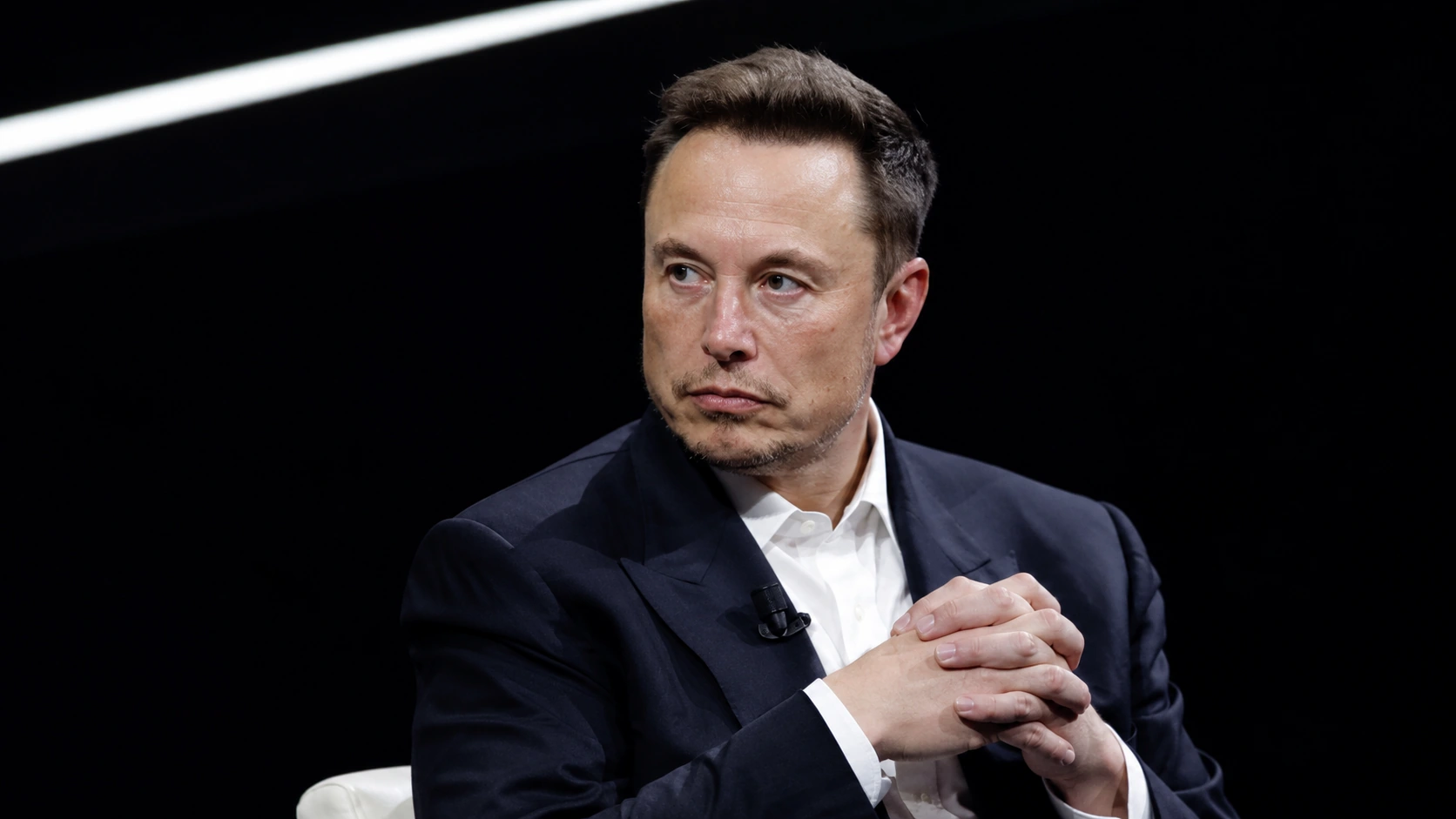
NEW DELHI — Elon Musk has intensified his public dispute over the launch of Starlink in India, sarcastically calling industrialist Mukesh Ambani “Prime Minister” and suggesting that he is trying to protect a monopoly. The comments came on social media platform X over the last three days and followed a firm denial from the Indian government.
The row began on Thursday, October 8, when Musk claimed that powerful business interests were stopping Starlink from starting its satellite internet service in India. The Ministry of Communications rejected the suggestion that India was unfairly delaying Starlink’s entry into the market. It said the country’s regulatory framework was fair and non-discriminatory, adding that security assessments were under way for Starlink, Reliance Jio’s satellite venture and Bharti-backed Eutelsat OneWeb. All three operators must meet the required security conditions before beginning commercial services.
Within hours, Musk asked on X whether Ambani is the one who really runs India. On Friday evening he followed up with a mocking message addressed to “Prime Minister Ambani”, apologising for not realising who was in charge. He accused Ambani of favouring monopoly and asked whether he would allow Starlink to compete. Musk also said that Starlink could improve the lives of people in India’s least-connected rural areas.
On Saturday, October 10, Musk went further by sharing two media reports about donations made by Reliance-backed companies to the Bharatiya Janata Party. The allegations made by Musk have not been proved. Neither Ambani nor Reliance had issued a public response in the reports reviewed.
The dispute has a long history. Starlink has been seeking permission to operate in India since 2022. Musk and Ambani’s Jio earlier clashed over whether satellite spectrum should be auctioned, which Jio wanted, or assigned directly, which Starlink preferred. The government eventually backed assigning it. In March 2025, both Jio and Bharti Airtel signed agreements to sell Starlink’s services to their customers, subject to Starlink getting its own approvals.
Why it matters: Satellite internet could expand broadband access in rural and remote areas where traditional infrastructure is difficult to build. The dispute raises questions about competition, regulatory transparency and the conditions companies must meet before launching services. The government says security requirements apply equally to all licensed operators, while Musk argues that powerful business interests are obstructing Starlink’s entry. The competing claims have not established that Ambani or Reliance influenced the approval process.