
You’re Not Just Hungry: What Your Body Actually Needs From Food
Food isn’t only about filling your stomach. Your body needs the right mix of nutrients to produce energy, maintain itself, repair tissue and keep everyday functions running.

If you just read our article about dopamine triggers, this is the next part worth thinking about: what you repeatedly give your body matters too. Your food choices are not just about calories or weight. They are also about giving your body the materials it needs to function.
You don’t need a perfect diet. Start by understanding the basics and making your everyday meals more balanced.
What to Know About Nutrition
1. Think Nutrients, Not Just Calories
Calories tell you how much energy food provides. Nutrients are the substances your body needs to function. That includes carbohydrates, fats, proteins, vitamins, minerals and water. A meal can give you calories without giving your body a good variety of nutrients.
2. Give Your Body Enough Protein
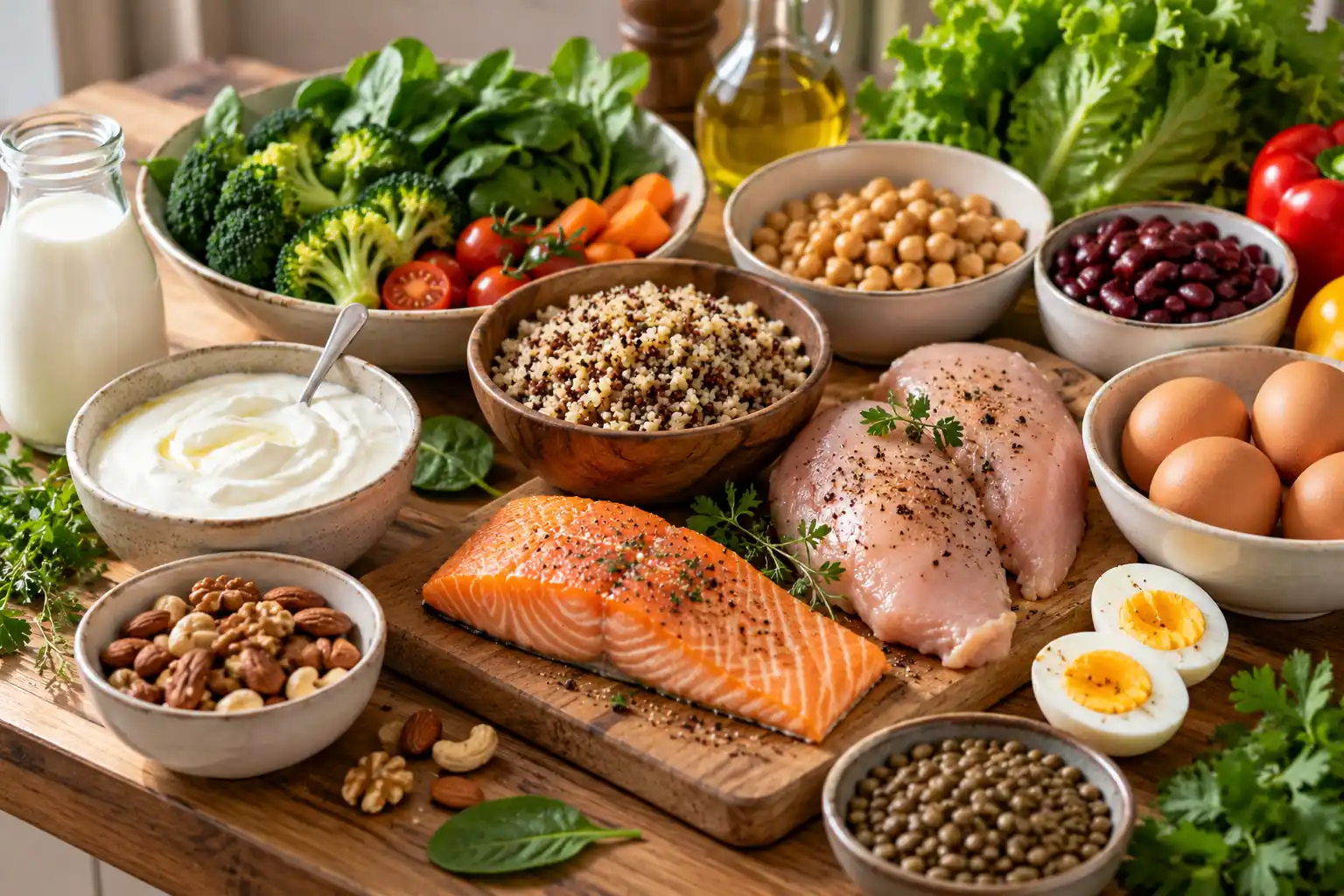
Protein helps your body build and repair tissues and supports many important body functions. Include protein-rich foods regularly rather than treating protein as something only athletes need.
3. Don’t Be Afraid of Carbohydrates
Carbohydrates are an important source of energy. They are found in foods such as grains, fruits and other plant foods. Instead of trying to remove an entire food group, focus on building meals with a useful variety of foods.
4. Remember the Small Nutrients
Vitamins and minerals are needed in smaller amounts, but they still matter. They support processes such as metabolism, immune function, bones, blood, nerves and other body functions. A varied diet helps you get a broader range of these nutrients.
5. Water Counts Too
Water is an essential nutrient. It helps your body carry nutrients and oxygen to cells and supports many everyday processes. Don’t treat hydration as an optional extra when you’re trying to improve your nutrition.

6. Build a Balanced Plate
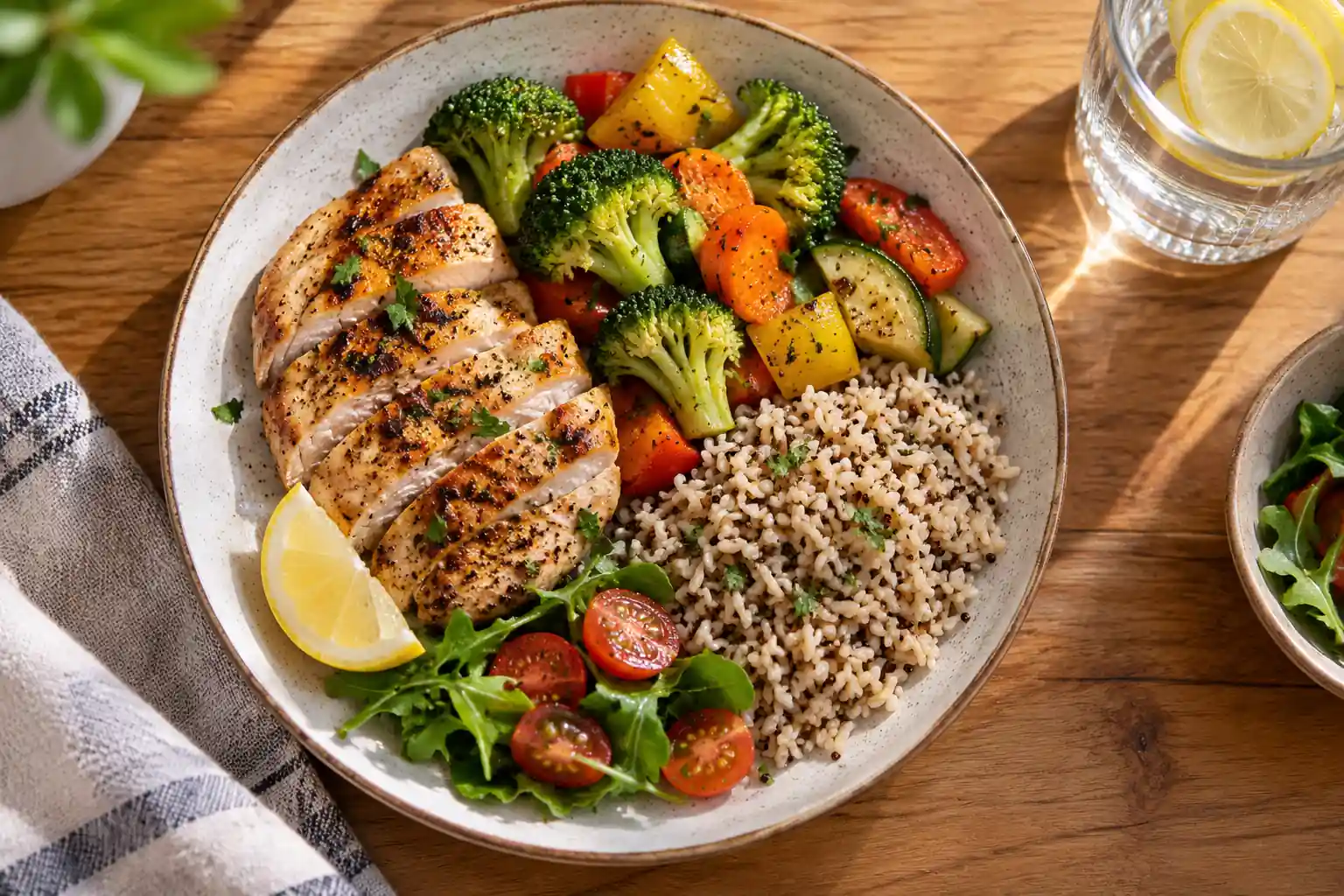
You don’t need to calculate every nutrient at every meal. A simple starting point is variety. Include foods from different groups such as vegetables, fruit, grains, protein foods and dairy or suitable alternatives. The exact combination can change depending on your needs.
7. Your Nutrition Needs Can Change
There is no single perfect eating pattern for everyone. Age, health conditions, medications and other personal factors can affect nutritional needs. If you’re dealing with a medical condition or have specific nutrition concerns, a registered dietitian or healthcare professional can help you create a plan that fits you.
The Simple Meal Check
Before you eat, you don’t need to ask, “Is this meal perfect?” Try these four questions instead:

- Does it contain a source of protein?
- Does it include a fruit or vegetable?
- Does it provide a useful source of energy, such as grains or other carbohydrate foods?
- Have I had enough water today?
You won’t answer “yes” every time. That’s okay. The goal is to make balanced choices more often, not to eat perfectly.
Nutrition Isn’t a Punishment
Healthy eating doesn’t have to mean strict rules, skipping meals or feeling guilty about every food choice. Good nutrition is about giving your body a useful combination of nutrients consistently.
Start with one meal. Make it a little more balanced. Then repeat.
Your Next Step
Look at your next meal and ask: “What is one thing I can add to make this meal more balanced?”
Small improvements are easier to repeat—and repeated choices are what build better eating habits.