
The 20-Minute Declutter That Clears Your Head
A cluttered room can add to the mental noise. Here’s how a simple reset can make your space feel lighter.

You walk into your room and immediately notice the clothes on the chair, the things on the table, and the pile you keep meaning to sort.
Nothing is necessarily wrong. But the space can still make you feel like there is one more thing waiting for you.
Clutter is not a measure of how organized or successful you are. But when your surroundings constantly remind you of unfinished tasks, they can add to feelings of stress, frustration, or overwhelm.
Why Clutter Can Feel Mentally Heavy
Your home is supposed to be a place where you can switch off. When every surface feels busy, it can become harder to feel that sense of calm.
A more organized space does not solve every problem. But creating a little more order can give you a stronger sense of control over what is around you.
6 Simple Ways to Reset Your Space
1. Start With One Small Area
Do not try to clean the entire house. Pick one drawer, shelf, desk, or corner. Finishing one small area is easier than staring at a huge list of things to do.
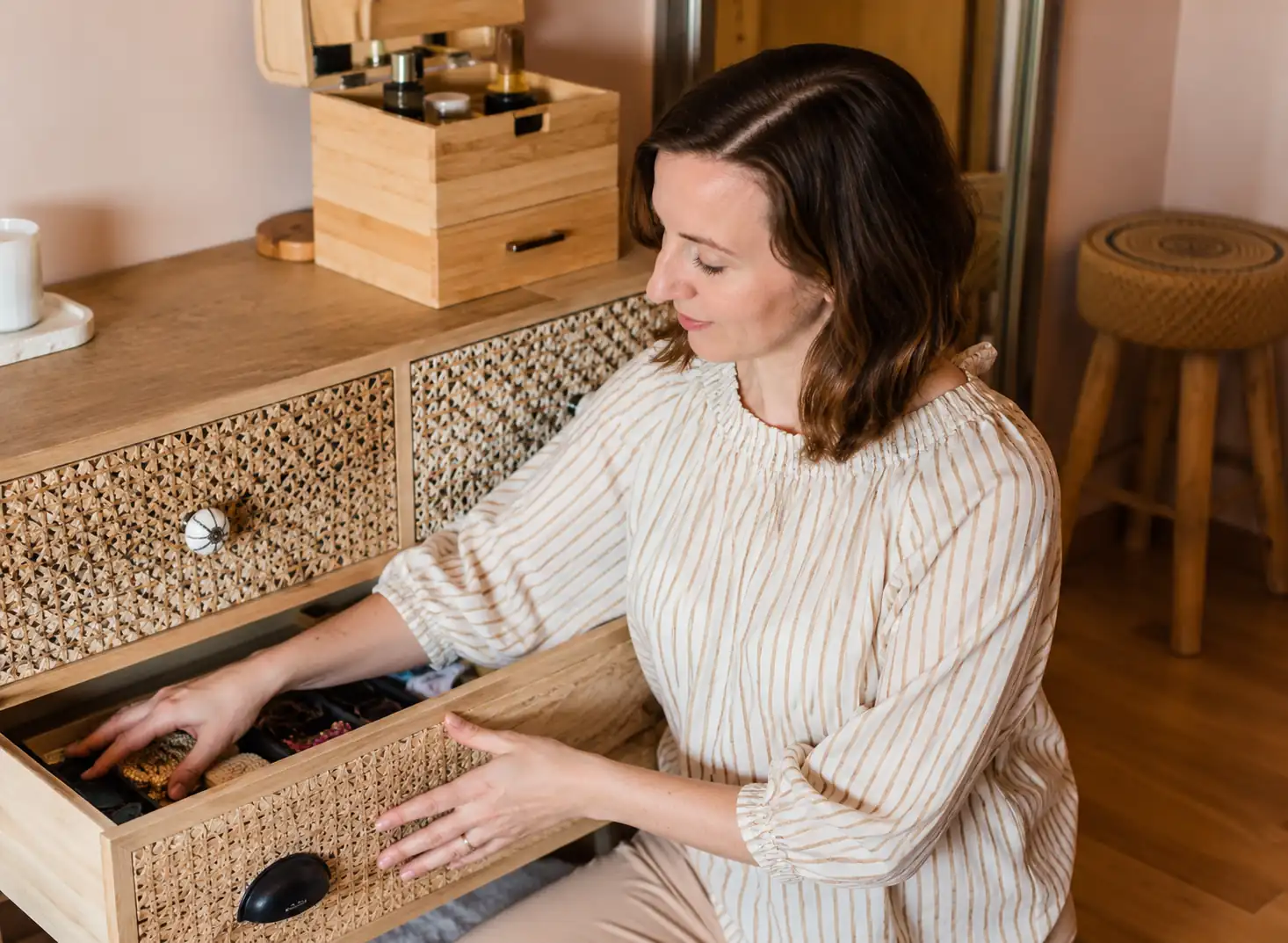
2. Keep, Donate, Recycle, or Let Go
As you sort, give each item a clear place. If you no longer use something and it has no real purpose in your life, consider donating, recycling, or discarding it.
3. Do Not Force Yourself to Throw Away Memories
Some things matter because of the memories attached to them. Decluttering does not mean removing everything sentimental. Keep the items that genuinely matter to you and let the rest have a purpose outside your space.
4. Set a 20-Minute Reset
You do not need an entire free day. Set a timer for 20 minutes and work on one area. Short sessions make the task feel more manageable and easier to repeat.

5. Make Your Space Feel Like You
Once the clutter is under control, add simple things that make the room comfortable: softer lighting, a favourite blanket, a plant, meaningful artwork, or anything that makes the space feel welcoming.

6. Stop Clutter Before It Builds Up
Before bringing something new home, ask whether you actually need it. A simple rule like replacing an old item when you buy a new one can help keep things from slowly piling up again.
If your mind already feels overloaded, read our guide: Your Life Might Feel Heavy Because You’re Carrying Too Much for more simple ways to reduce unnecessary mental and everyday load.
Try the 10-Minute Space Reset
If 20 minutes feels like too much today, try a shorter reset. Choose the room where you spend the most time and set a timer for 10 minutes. Clear one visible surface, put misplaced items back, and remove anything that clearly does not belong there.
When the timer ends, stop. The goal is not a perfect home. It is to create one small area that feels easier to live in.

A Clearer Space Can Create a Little More Breathing Room
You do not need to become a minimalist or keep your home perfect. The point is to make your surroundings support your life instead of constantly reminding you of what is unfinished.
Sometimes, a small physical reset is enough to give your mind a little room to reset too.
Your Next Step
Choose one surface tonight. Set a 10-minute timer. Clear it completely. Then notice how the room feels when there is one less thing competing for your attention.
If clutter is connected to persistent distress or is making everyday functioning difficult, consider talking with a qualified mental health professional.