
PepsiCo Cuts 2026 Earnings Outlook as North American Demand Weakens
PepsiCo has lowered its 2026 earnings forecast as weak demand for snacks and beverages in North America and rising costs put pressure on profits, despite stronger quarterly revenue.
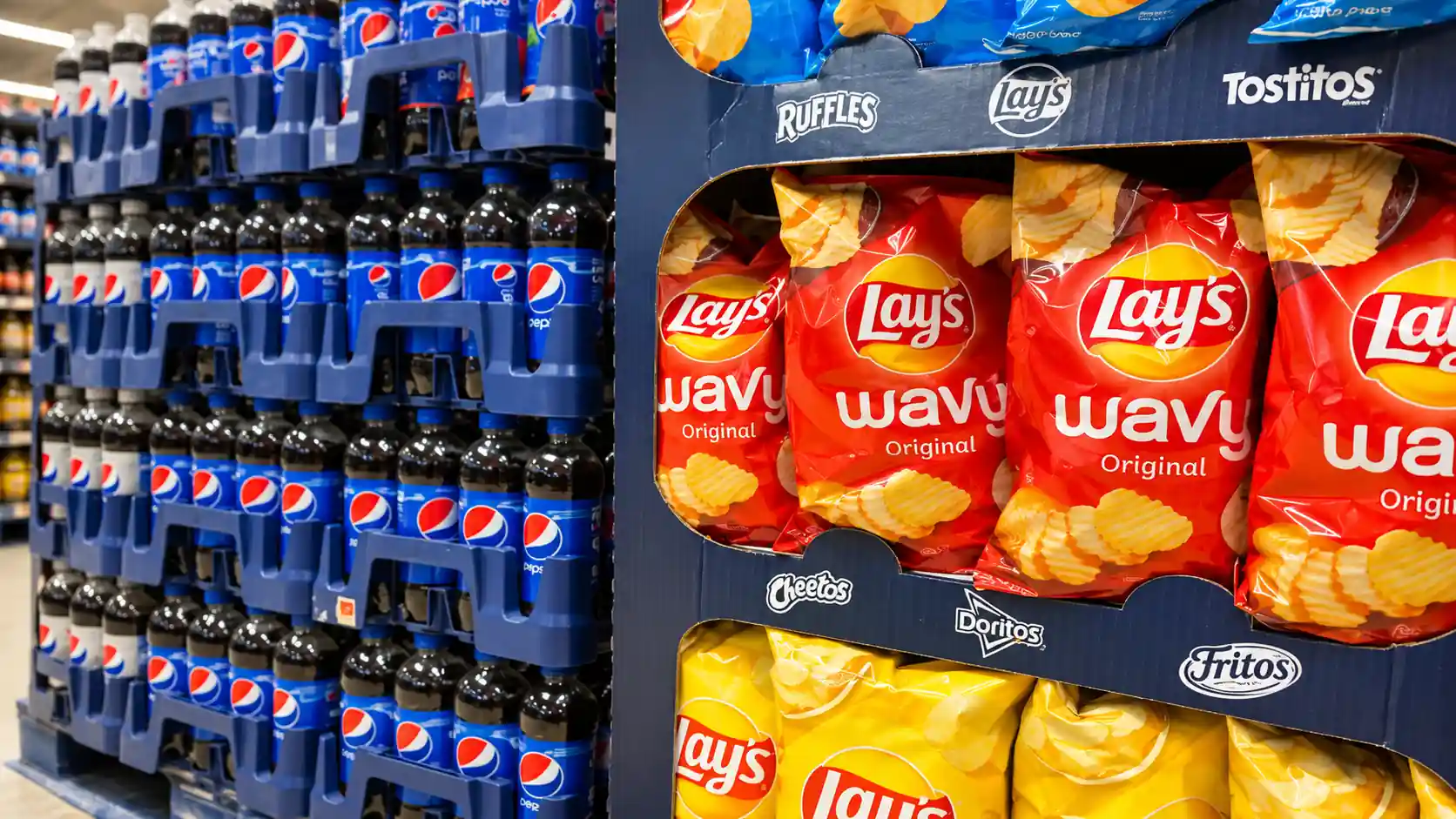
The company now expects its core earnings per share to rise by 1% to 2% in 2026, adjusted for currency movements, compared with its previous expectation of growth at the lower end of a 4% to 6% range. PepsiCo also said the recovery in North America was taking longer than planned and warned that its regional core operating margin would remain under pressure in the fourth quarter.
PepsiCo reported third-quarter net revenue of $25.27 billion, an increase of 5.6% from a year earlier, according to results released on October 8. Organic revenue rose 3.1%. The stronger group-wide performance was supported by its international business, while demand across North American snacks and beverages remained subdued.
In North America, food volumes were flat compared with the same period last year, while beverage volumes fell 2%. The company’s core operating margin declined by 35 basis points in the third quarter year on year. The figures underline the gap between PepsiCo’s overall sales growth and the challenges facing its North American operations.
Higher costs for ingredients, packaging, fuel and other inputs have added pressure as consumers remain sensitive to prices. PepsiCo is also navigating changing eating and drinking habits, including interest in healthier options and the potential effect of GLP-1 weight-loss medicines on demand for some snack foods. These factors are adding to competition from established rivals and lower-priced supermarket brands.
The company has been adjusting prices in an effort to win back customers. Earlier in the year, it reduced prices by as much as 15% on selected products, including Lay’s and Doritos. It has since signalled single-digit price increases on some snacks and beverages to help offset rising costs. The balancing act is difficult: price reductions can support sales volumes but limit margins, while increases risk making products less attractive to cost-conscious shoppers.
PepsiCo said it would introduce additional structural cost-reduction measures in the coming months. Chief executive Ramon Laguarta said the savings would help fund investments intended to improve sales growth and offset inflation in input costs. The company is also expanding parts of its portfolio, including products positioned around protein and other changing consumer preferences.
The pressures extend beyond PepsiCo. Other packaged-food companies have also been increasing promotions and focusing on affordability as they contend with higher costs and cautious consumer demand. However, PepsiCo’s international operations have continued to provide support, with the company reporting volume growth in parts of its global food and beverage business.
For the remainder of 2026, the company’s challenge will be to restore momentum in North America while protecting margins. Its latest outlook indicates that cost savings and pricing changes have yet to resolve the weakness in regional demand, leaving investors to watch whether the next quarters bring a more sustained improvement in sales volumes and profitability.