
Coastal Flooding Hits Long Beach and Newport Beach as Tropical Storm Rachel Approaches
Coastal flooding and powerful surf have damaged parts of Southern California’s waterfront, while officials warn that high tides, large waves and forecast rain could cause further disruption.
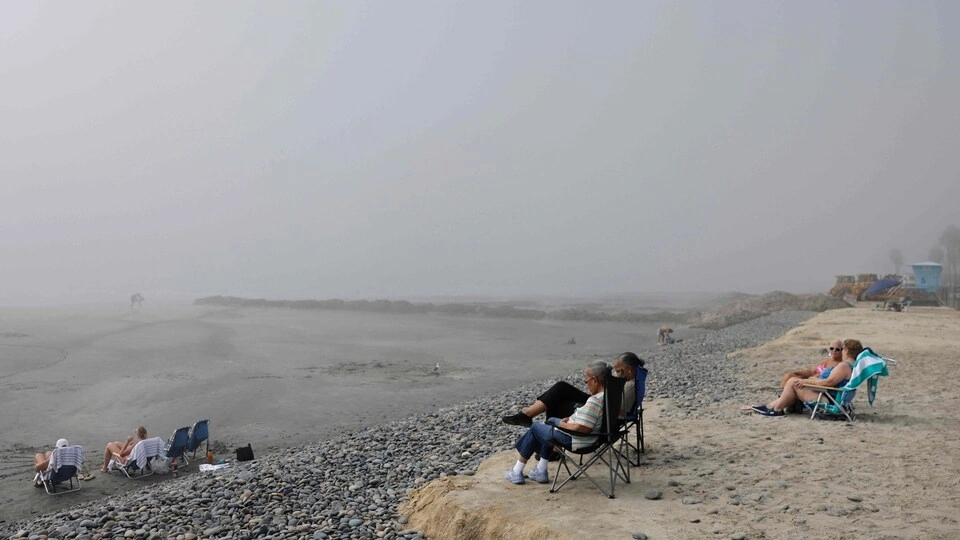
Coastal flooding has affected parts of Southern California, with powerful surf damaging sections of the Long Beach waterfront and seawater reaching streets as Tropical Storm Rachel moves toward the region. Newport Beach has also reported street flooding, while forecasters warn that high tides and large waves could bring further disruption over the weekend.
In Long Beach, waves and high tides have battered the Peninsula, where a roughly 30-foot section of the protective seawall and boardwalk was damaged. Water spilled onto nearby streets and reached residential areas, with floodwater reported at ankle depth in some locations. Vehicle access was restricted in parts of the area, including near 62nd Place, as crews worked to limit the impact.
City inspectors marked two buildings containing three residential units as unsafe to enter, according to local reporting. Emergency crews have reinforced barriers and used sandbags to protect exposed properties. The city has also made additional sandbags available to residents as officials prepare for the possibility of more flooding and coastal erosion during high tides.
Newport Beach and other parts of Orange County are facing similar coastal hazards. Videos shared online reportedly show water flooding streets near 15th Street and West Balboa Boulevard. Forecasts cited by local media put surf at around 3 to 5 feet, with some sets potentially reaching 6 or 7 feet. Officials have warned of risks to roads, boardwalks and parking areas, along with dangerous rip currents.
The damage is developing before Rachel’s expected closest approach to Southern California. The US National Hurricane Center said on Friday that the storm was moving northeast over the Pacific and that tropical-storm conditions were possible in parts of the region late Saturday or early Sunday. Forecasters expected Rachel to weaken as it moved closer to land, potentially becoming a post-tropical system or remnant low.
Even if the storm loses tropical-storm strength, coastal impacts may continue because waves, tides and weather systems can combine to push seawater inland. The Los Angeles Times reported that tides could run about 1 to 1.5 feet above normal levels, adding to the risk along south-facing beaches and other vulnerable stretches of coastline.
Rain is also forecast across Southern California over the weekend and into early next week. The Los Angeles Times reported that rainfall totals could range from about a quarter of an inch to three-quarters of an inch in the region, with the greatest chance of rain from Sunday into Monday. Forecasters said the overlap of high tides, strong surf, wind and low-pressure systems could make coastal flooding more significant in some locations.
The National Weather Service has warned of possible flooding in beach parking lots, boardwalks and roads, as well as isolated road closures and additional erosion. Long Beach, Malibu and other south-facing coastal areas have been identified as particularly vulnerable. Conditions may vary by location, and the most severe impacts depend on how the timing of the storm, tides and waves align.
Residents in flood-prone coastal areas have been urged to follow local weather alerts, avoid flooded roads and stay away from seawalls, jetties and other exposed shoreline structures. Dangerous surf and rip currents can pose a risk even when the weather appears relatively calm, while additional high tides could worsen damage already reported along the coast.
With coastal communities already dealing with erosion and damaged waterfront infrastructure, officials are monitoring conditions ahead of Rachel’s approach. The immediate concern is whether another period of high surf and elevated tides will extend flooding, force further road restrictions or put more homes and public infrastructure at risk.